The water coming out of your tap may look clear, but there is far more to it than meets the eye, especially for homes supplied by the Sunshine Coast Council and Noosa Council. While local water supplies across the Sunshine Coast and Noosa regions are treated to meet Australian safety standards, these standards are designed to protect against immediate health risks rather than eliminate every chemical or contaminant that may be present. As a result, many households are exposed to a range of substances in their tap water without even realising it, and over time, these can affect not just your health but also your skin, hair, appliances, and overall home environment.
Chemicals can enter tap water in several different ways, including from the original water source, through the treatment process, or as the water travels through pipes and infrastructure before reaching your home. Natural elements such as calcium, magnesium, and sediment are often present depending on whether the water is sourced from reservoirs or underground supplies, while environmental factors such as agricultural run off, airborne pollutants, and industrial activity can introduce additional contaminants. Even after treatment, water can pick up heavy metals like lead or copper from ageing pipes, meaning the quality of your water is influenced by far more than just the treatment plant itself.
One of the most common chemicals in Australian tap water is chlorine, which is added to kill bacteria and keep water safe as it travels long distances to homes across Sunshine Coast Council and Noosa Council areas. While chlorine plays an essential role in public health, it can have noticeable side effects with repeated exposure. It strips natural oils from your skin and hair, often leaving them dry, irritated, and more sensitive over time. When you shower with hot water, chlorine can also be released into the air as steam, which may irritate your eyes and lungs. Even at levels considered safe, chlorine can affect the taste and smell of water and contribute to discomfort in your daily routine.
In some areas, chlorine is combined with ammonia to form chloramine, a more stable disinfectant that lasts longer in the water supply but is also more difficult to remove. Other treatment chemicals such as fluoride are added in line with government health initiatives, while substances like aluminium compounds are used to help remove impurities during processing. Although these chemicals serve important purposes, many people prefer to reduce their exposure, particularly when it comes to long term contact through drinking, bathing, and washing.
Beyond these added chemicals, there are also disinfection by products and environmental contaminants to consider. Compounds such as trihalomethanes can form when chlorine reacts with organic matter in the water, and some of these have been linked to potential health risks. Heavy metals like lead, mercury, and arsenic may also be present in small amounts, particularly in older homes or areas affected by industrial or agricultural activity. Other contaminants, including pesticides, nitrates, and volatile organic compounds, can enter the water supply through environmental exposure and may not always be fully removed during treatment.
More recently, attention has turned to PFAS, often referred to as forever chemicals, which have been detected in water supplies across Australia. These substances are known for their persistence in both the environment and the human body, and while research is ongoing, their presence highlights the growing complexity of modern water quality challenges. The reality is that no two homes have exactly the same water, as factors such as location, infrastructure, and local conditions all influence what comes out of your tap.
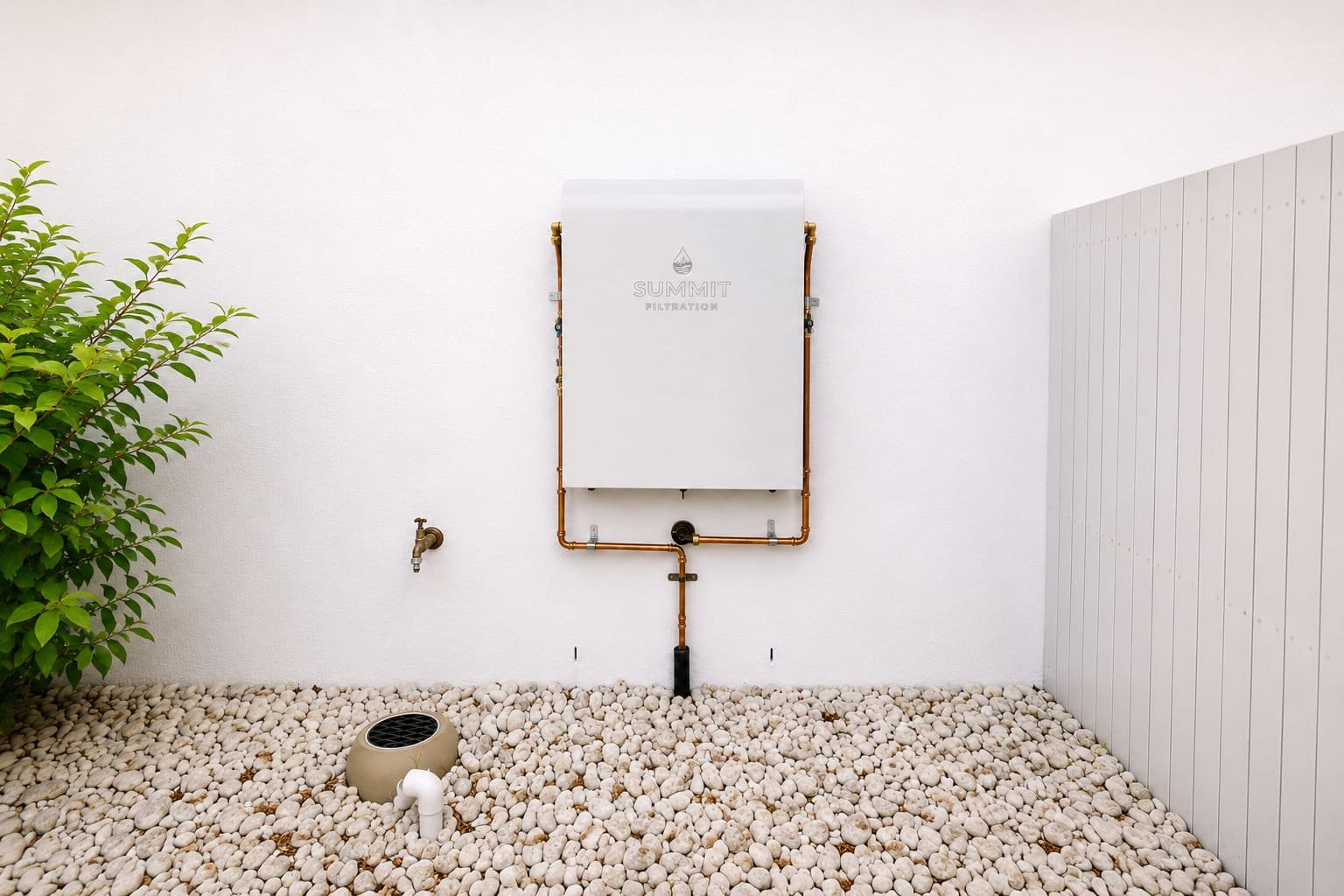
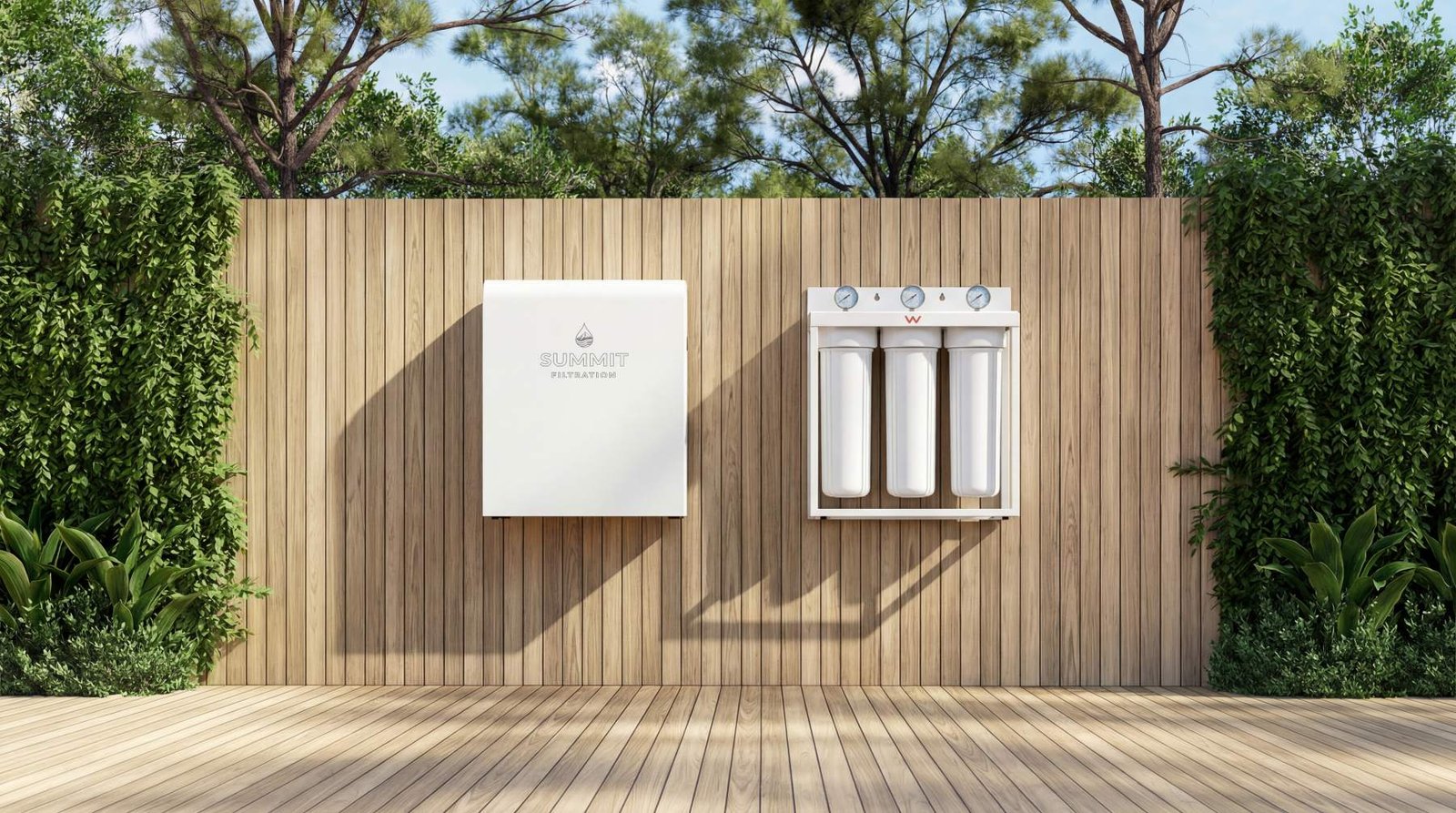
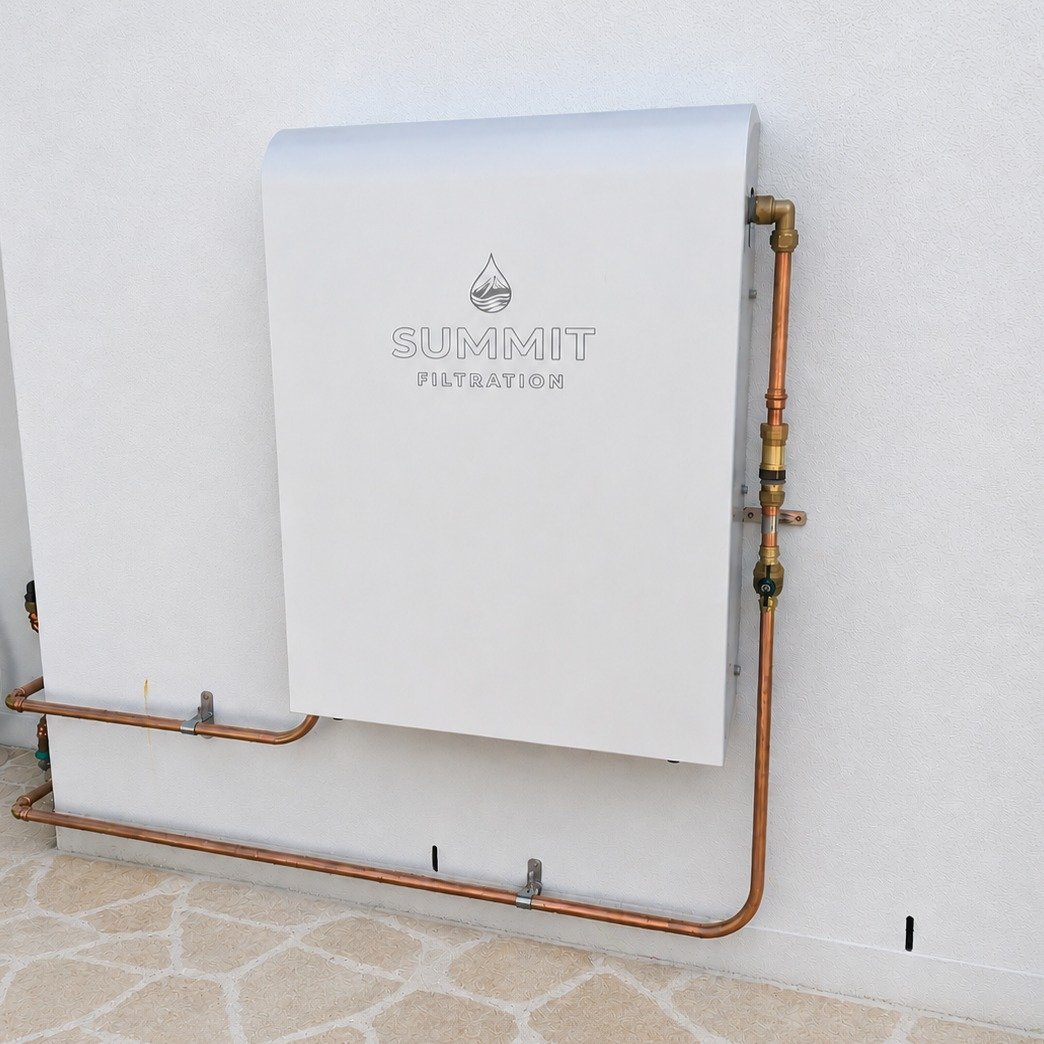
This is why relying on basic filtration or a single tap filter is often not enough to address the full scope of water quality issues. While these solutions may improve taste or reduce certain contaminants at one point, they do not protect the water used throughout the rest of your home. A whole home approach treats all water at the source, ensuring that every tap, shower, and appliance benefits from cleaner, more balanced water. With a system from Summit Filtration, you can reduce chlorine, filter out unwanted chemicals, manage mineral content, and protect your household from a wide range of contaminants.
Improving your water quality delivers benefits you can notice immediately. Your skin feels less dry and irritated, your hair becomes healthier and easier to manage, and your soaps and shampoos work more effectively without leaving residue behind. At the same time, your appliances are protected from limescale and mineral buildup, your plumbing lasts longer, and your laundry comes out cleaner and softer with less detergent required. Even the air quality in your home improves when chlorine and volatile compounds are reduced before they can be released through hot water steam.
For homeowners across the Sunshine Coast and Noosa regions, understanding what is in your tap water is the first step toward creating a healthier home. Instead of relying solely on minimum treatment standards, more people are choosing to take control of their water quality with whole home filtration solutions. If you want to improve your water and protect your home, you can contact Summit Filtration on 0467667004 to learn more about tailored filtration systems designed for local conditions.