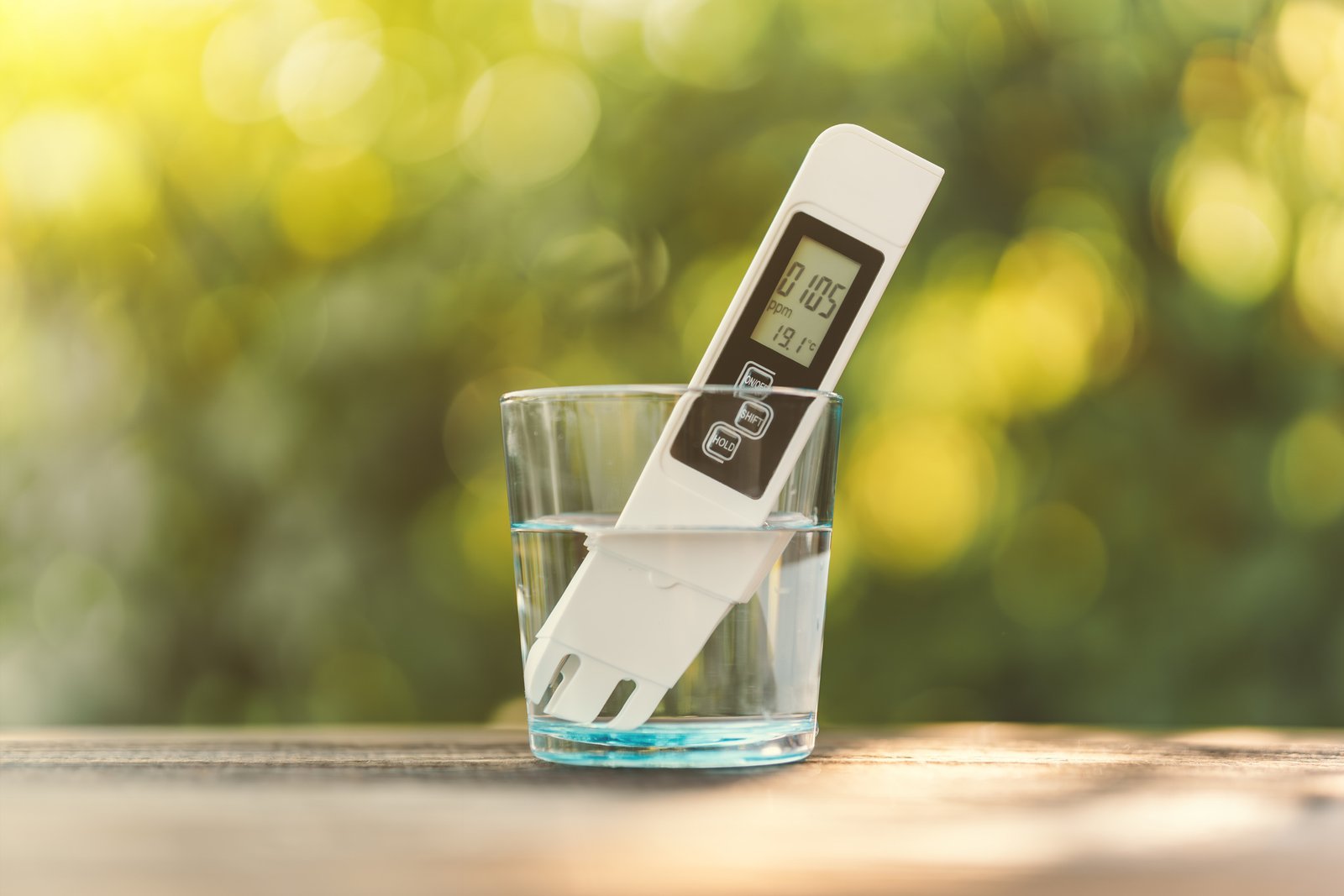

Aussies are being urged to take urgent action to protect themselves from cancer causing “forever chemicals” that have now been detected in drinking water supplies across the country. For households supplied by the Sunshine Coast Council and Noosa Council, this growing concern highlights the importance of understanding exactly what is in your tap water and how it may be affecting your long term health.
These substances, known as PFAS or per and poly fluoroalkyl substances, are often described as “basically indestructible” due to their ability to persist in the environment for decades without breaking down. Originally used in industrial processes, non stick cookware, waterproof materials, and firefighting foams, PFAS have gradually entered soil, groundwater, and eventually drinking water supplies. Once present, they can accumulate in the human body over time, which is why they are now being referred to globally as a major emerging health concern.
CHF Founder and Managing Director Suzanne Dodds has joined other Australian experts in raising awareness around the origins and implications of PFAS contamination, particularly as new data continues to emerge. Recent findings from environmental authorities suggest that there may be no completely safe level of PFAS exposure, which has intensified concern among health professionals and water quality experts. This becomes even more alarming when contamination is detected in treated drinking water, including reports from major catchment areas and filtration plants in Australia.
The issue is not isolated to one region. PFAS contamination has been identified in multiple locations nationwide, often linked to historical industrial activity and firefighting training sites where these chemicals were heavily used. Over time, they have leached into waterways and reservoirs, making their way into the broader water supply. Because PFAS are resistant to heat and standard treatment processes, they are not easily removed through conventional water treatment methods, meaning they can still be present even after water has been processed to meet safety guidelines.
For homeowners on the Sunshine Coast and in Noosa, this raises an important question about the difference between water that meets minimum standards and water that is truly optimised for long term health. While municipal systems are designed to protect against immediate risks like bacteria and pathogens, they are not always equipped to fully remove persistent contaminants like PFAS. This is why awareness and proactive action are becoming increasingly important for households that want greater control over their water quality.
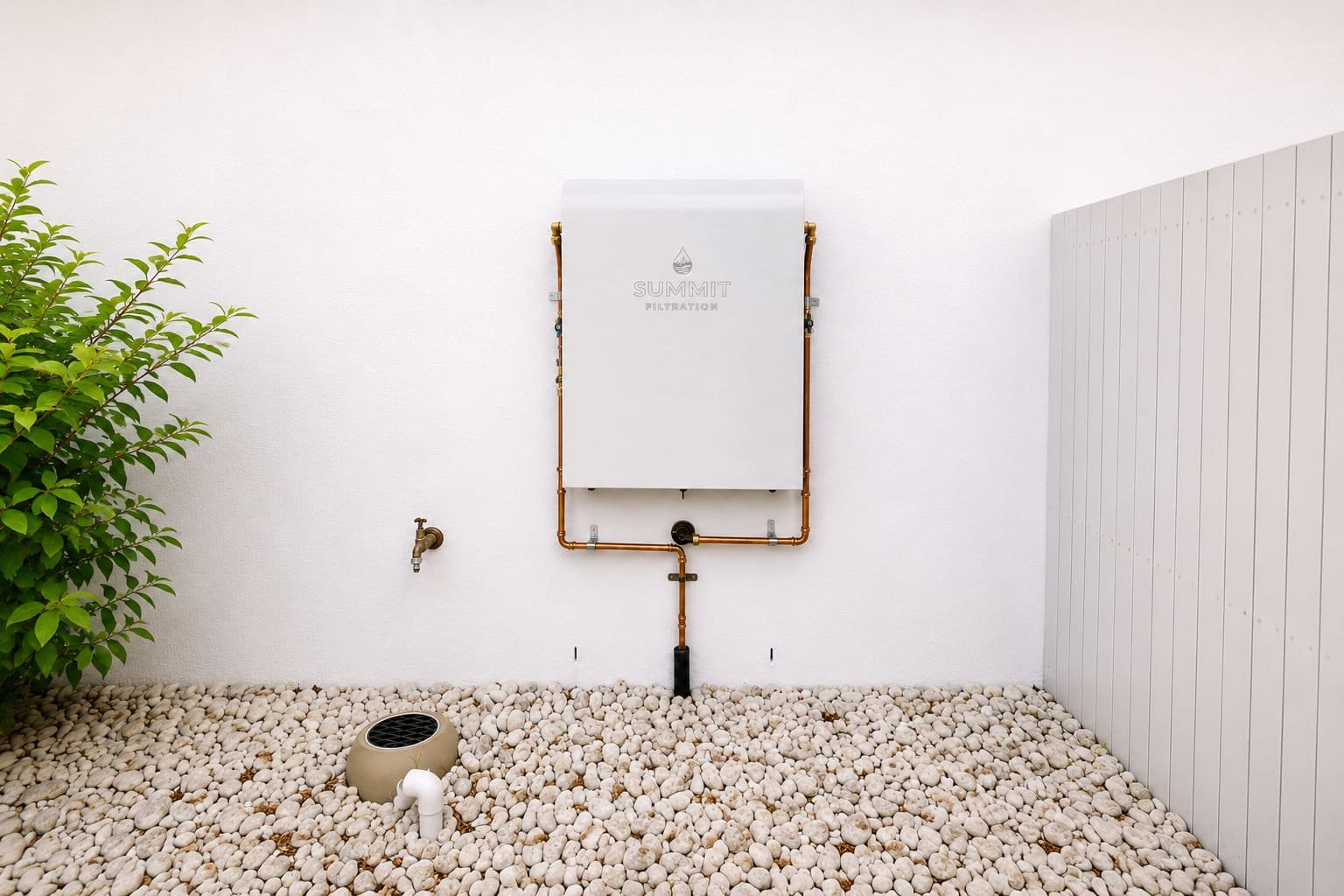
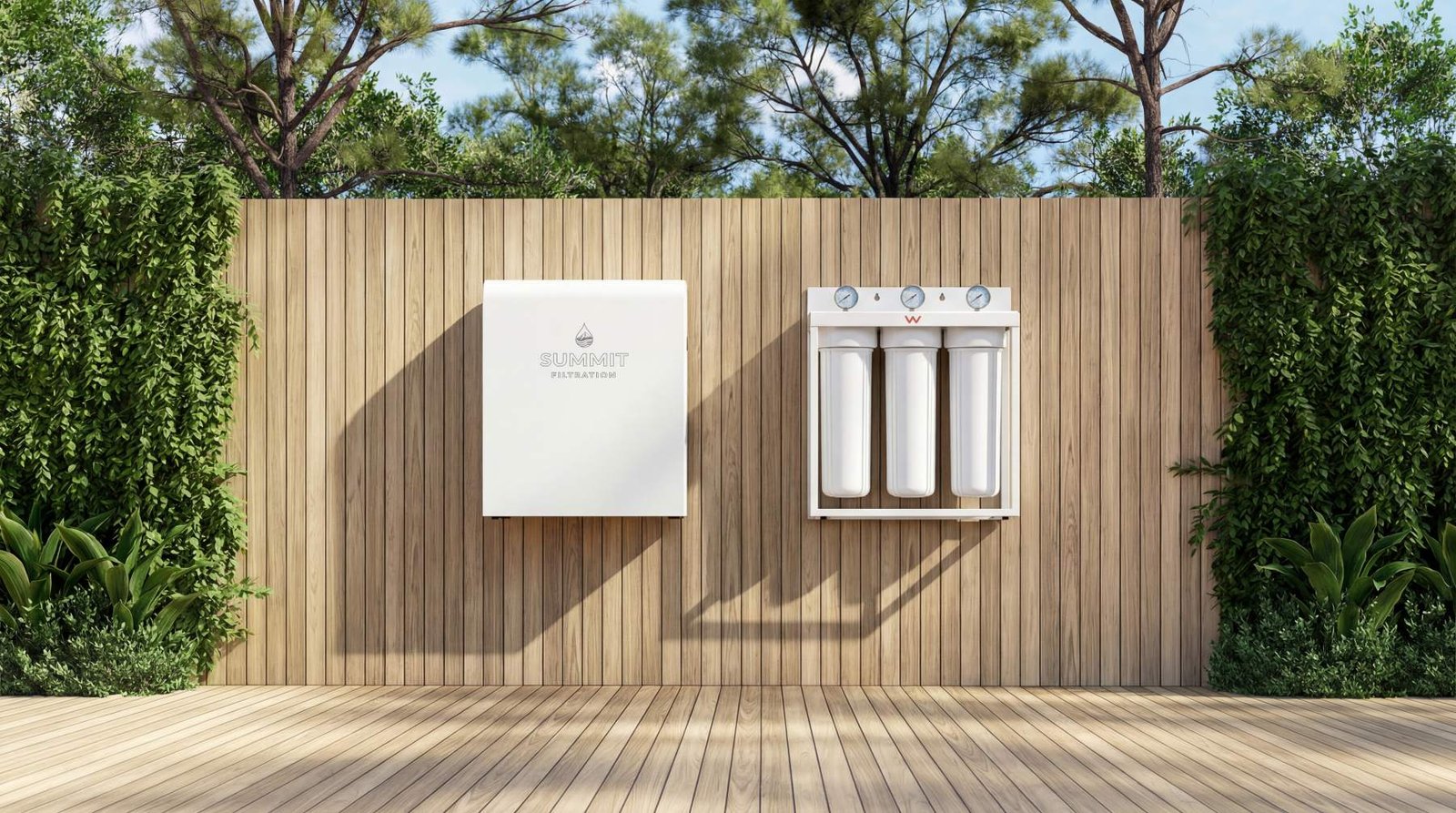
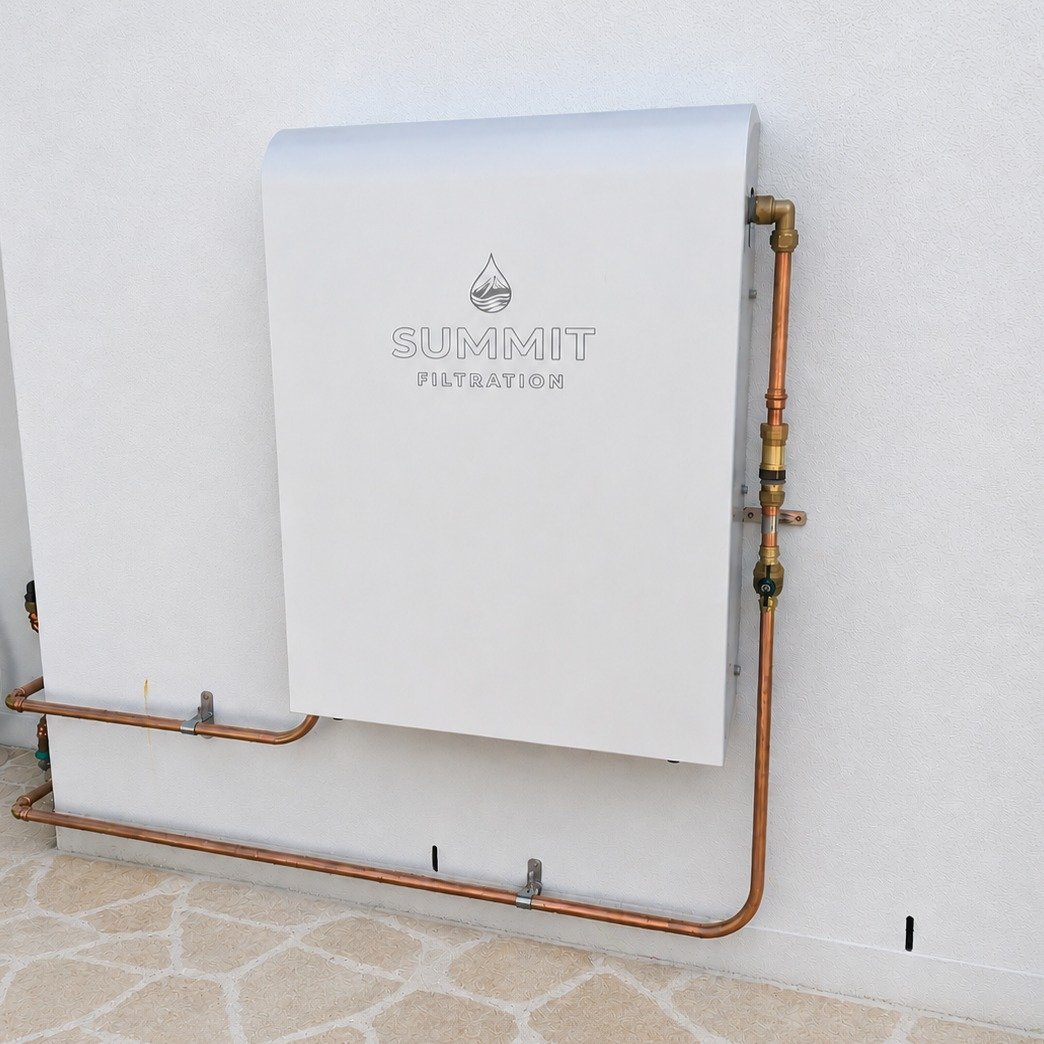
Reducing exposure to PFAS and other contaminants requires more than basic filtration. Advanced solutions such as reverse osmosis systems and multi stage whole home filtration can significantly reduce the presence of these compounds, along with other chemicals like chlorine, heavy metals, and disinfection by products. By treating water at the source, these systems ensure that every tap in your home provides cleaner, safer water for drinking, cooking, and everyday use.
A system from Summit Filtration can help address a wide range of modern water quality concerns, giving you greater confidence in what you and your family are exposed to each day. As awareness of PFAS continues to grow across Australia, more homeowners are choosing to take control of their water rather than relying solely on baseline treatment standards.
This is not about creating fear, but about staying informed and making proactive choices. PFAS contamination is a complex issue that has developed over decades, and while research is ongoing, the message from experts is clear, understanding your water and reducing unnecessary exposure is a smart step toward protecting your long term health.
To read more about this issue, you can view the full article here:
https://www.news.com.au/lifestyle/health/health-problems/indestructible-chilling-tap-water-warning/news-story/7795411fe097e4593677ebe8f97d2693
If you would like to explore ways to improve your home’s water quality, you can contact Summit Filtration on 0467667004 to learn more about advanced filtration solutions tailored to local conditions