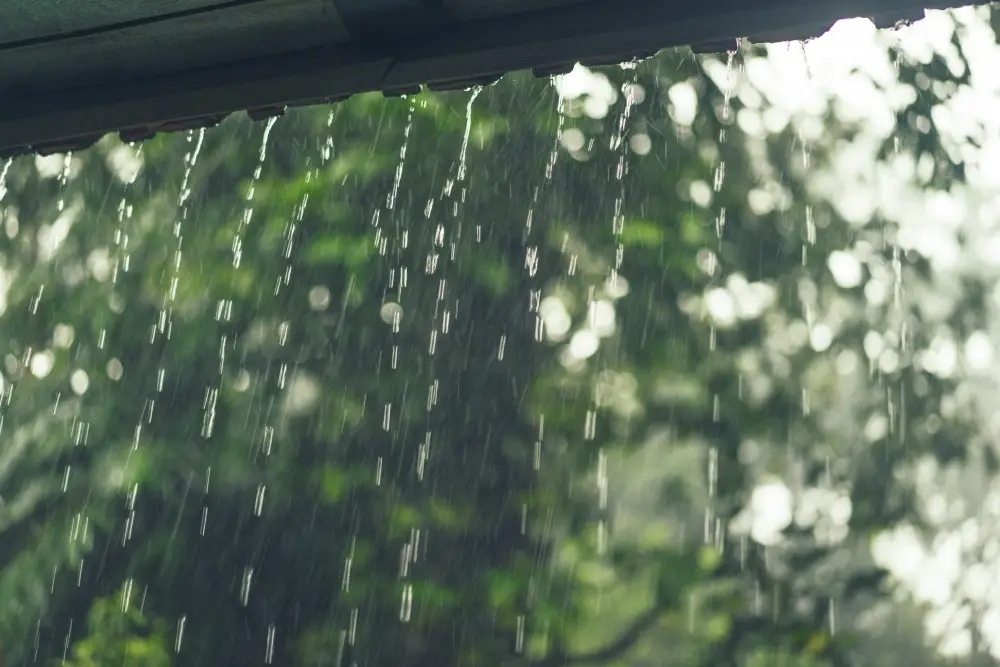
Rainwater is often seen as one of the cleanest and most natural water sources available, but for homes across areas serviced by the Sunshine Coast Council and Noosa Council, the reality is that untreated rainwater can carry a wide range of contaminants by the time it reaches your taps. Across the Sunshine Coast and Noosa regions, many households rely on rainwater either as a primary supply or as a supplement to mains water, yet very few consider what happens to that water before it is used for drinking, showering, and everyday tasks.
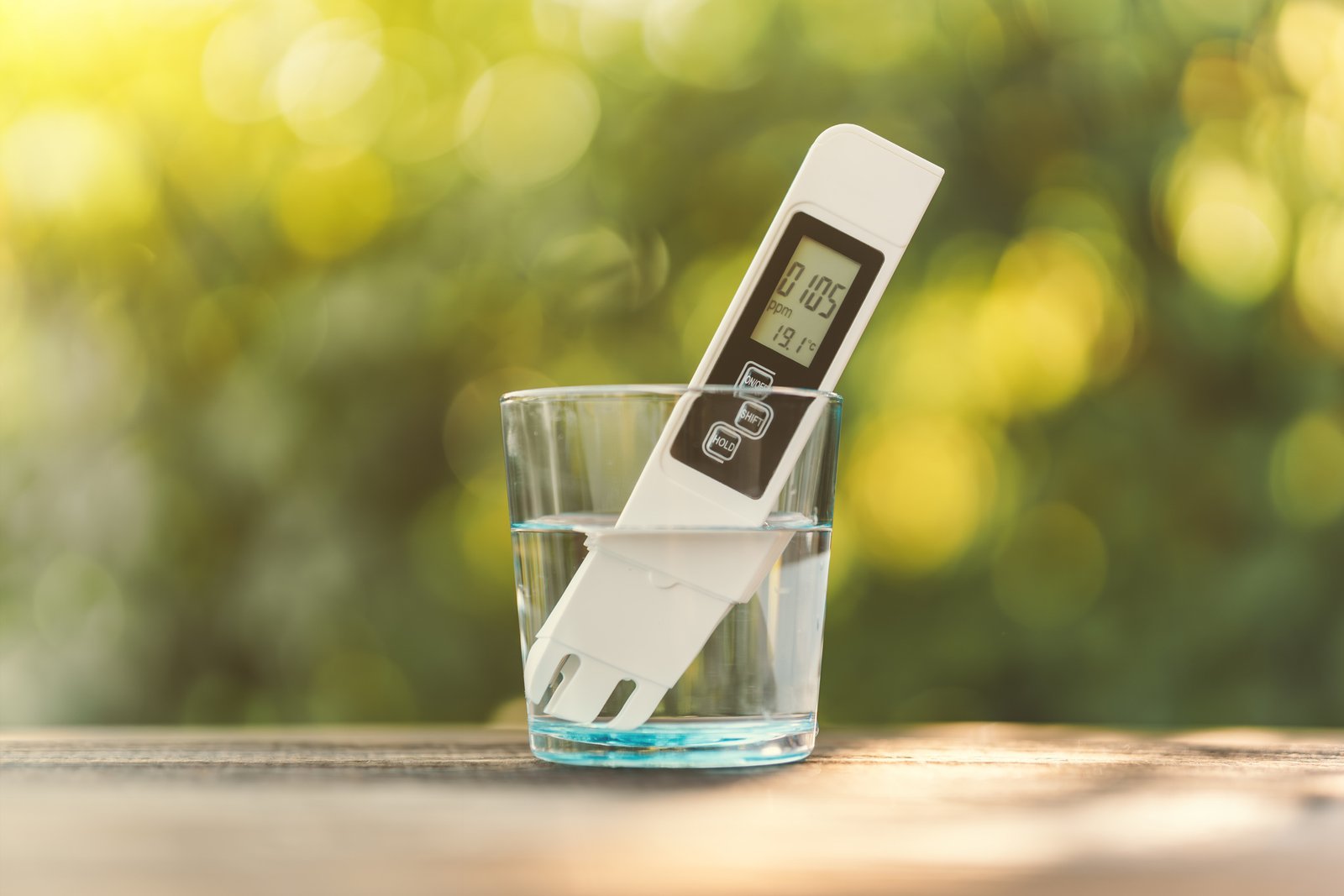
As rainwater travels across your roof and into storage, it can pick up dirt, leaves, bird droppings, insects, and airborne pollutants. Even in areas that appear clean, particles from nearby roads, agricultural activity, or coastal air can settle on surfaces and be washed into your water supply with every rainfall. This means that even if your water looks clear, it may still contain bacteria, microorganisms, sediment, and trace contaminants that are not visible to the naked eye.
For households using rainwater throughout the home, this becomes more than just a taste issue. Unfiltered rainwater can affect your health, your plumbing, and your appliances over time. Bacteria and microorganisms can pose health risks when consumed or absorbed through the skin, while sediment and fine particles can wear down pipes, block fittings, and reduce the lifespan of appliances like washing machines and hot water systems. These issues often develop gradually, making them easy to overlook until they become costly problems.
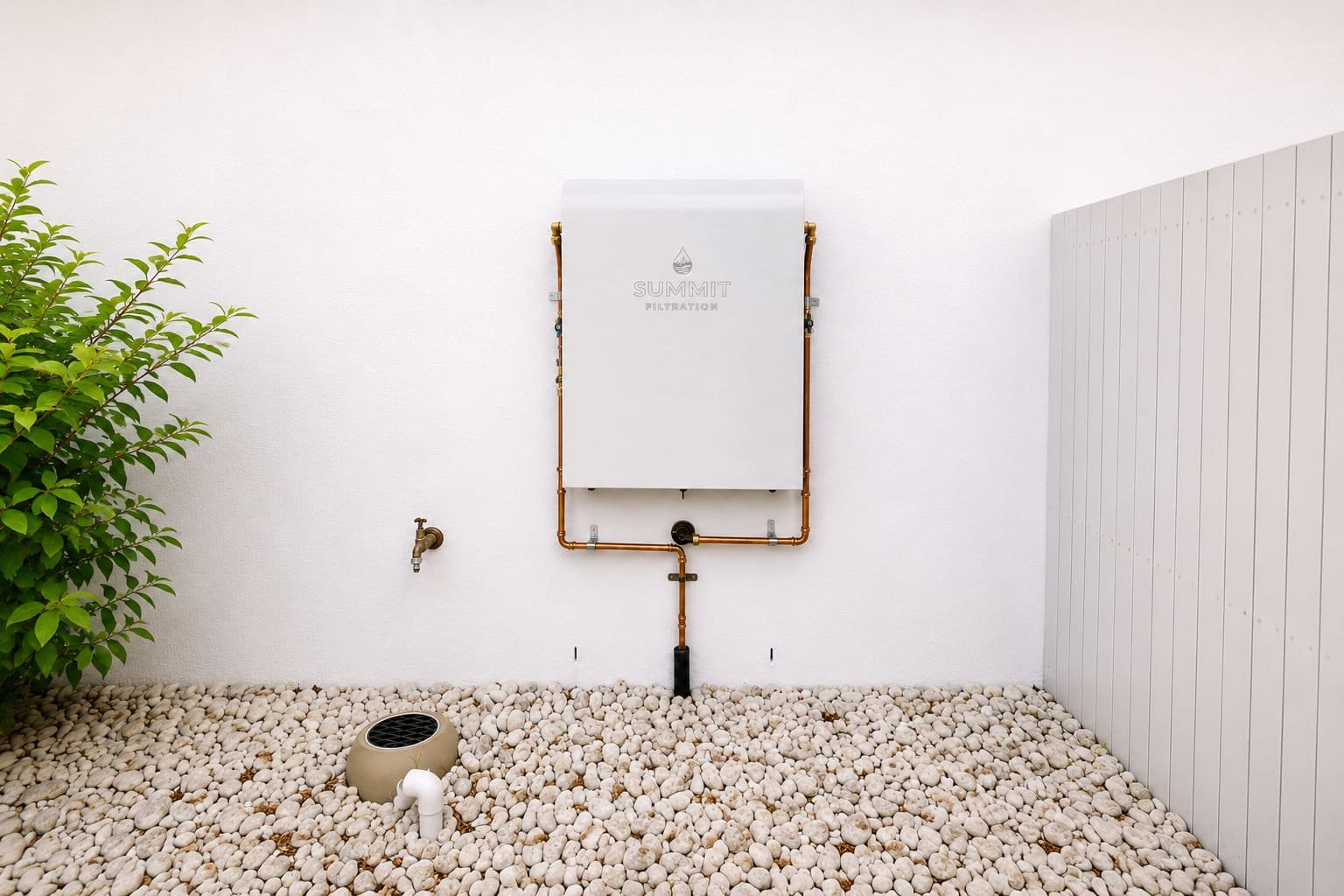
This is why filtration is not optional when using rainwater in your home, it is essential. A properly designed whole house filtration system treats water before it reaches any tap, ensuring that every part of your home benefits from cleaner, safer water. Unlike single tap filters, a whole home system protects your entire household, from your kitchen and bathroom to your laundry and outdoor use.
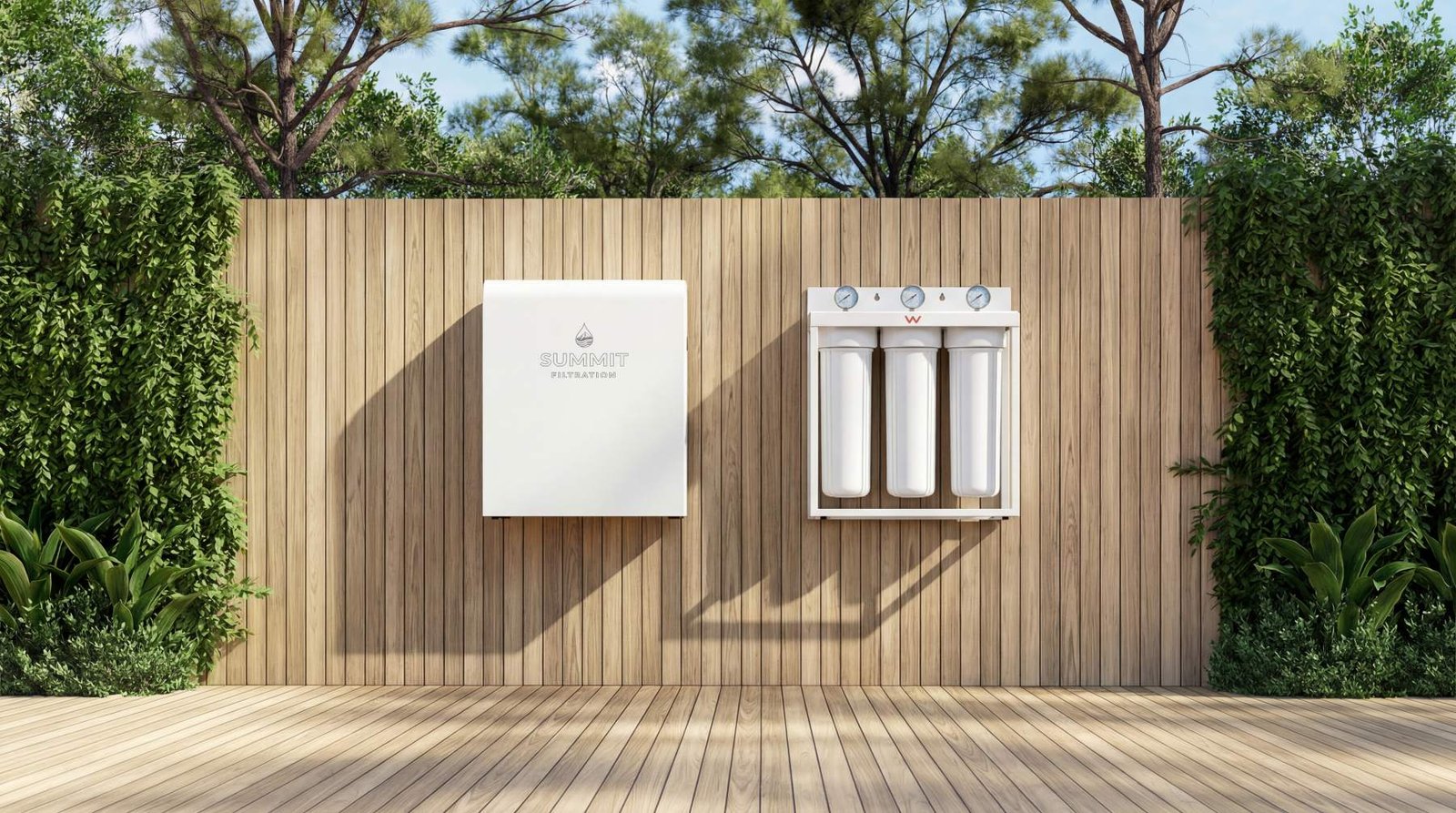
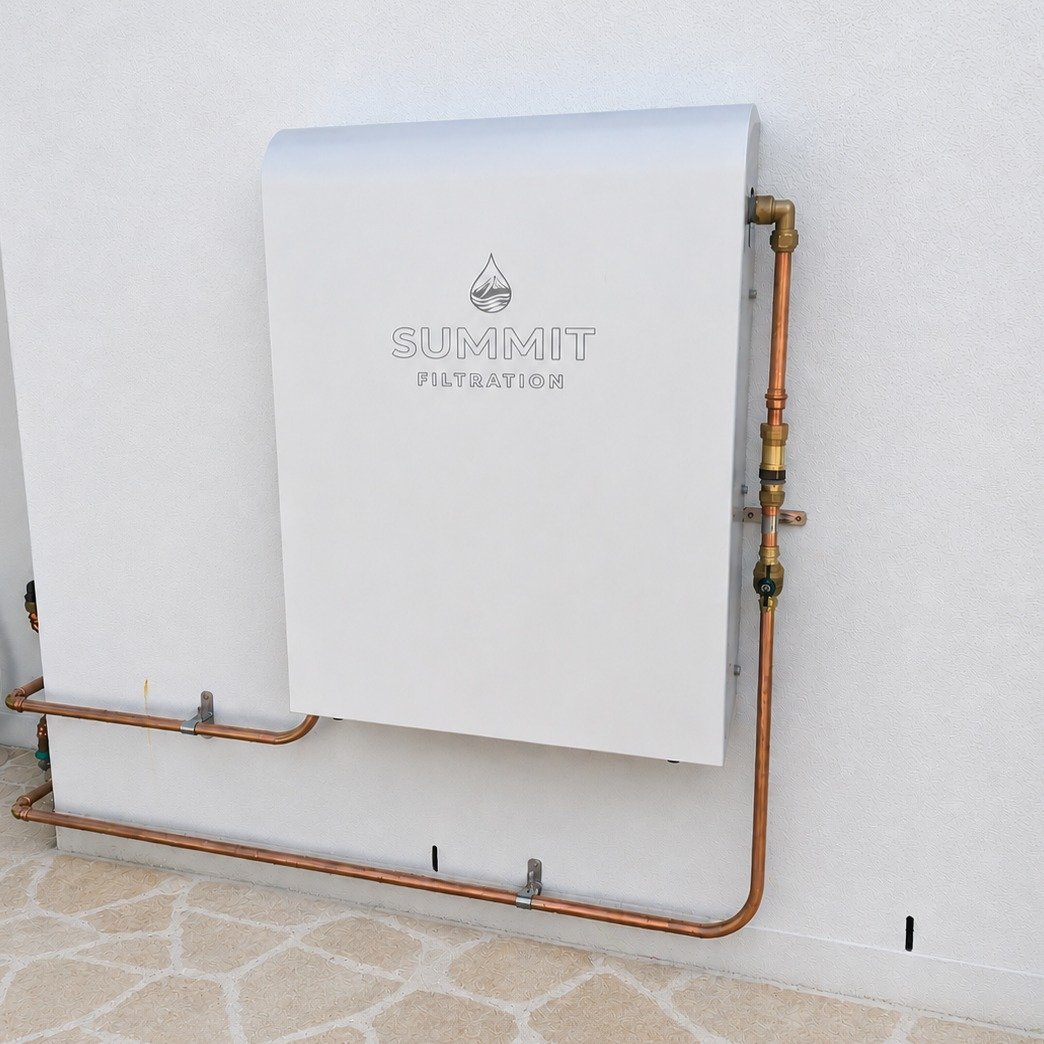
There are two key approaches when it comes to making rainwater safe at a whole home level. The first is a system that uses advanced filtration combined with anti bacterial cartridges, designed to remove sediment, improve clarity, and reduce microbial contamination as water flows through the system. The second is a UV whole house system, which uses ultraviolet light to neutralise bacteria, viruses, and other microorganisms that may be present in your water. Both options are highly effective when properly designed and installed, and the right choice depends on your water source, usage, and specific concerns.
For many homes across Sunshine Coast and Noosa, combining multiple stages of filtration delivers the best results. Sediment filters remove larger particles, carbon filtration improves taste and removes chemicals where applicable, and either anti bacterial filtration or UV treatment ensures microbiological safety. This layered approach provides confidence that your water is not only clear, but also safe for everyday use.
A tailored system from Summit Filtration is designed specifically for your home’s water conditions, ensuring the right combination of filtration and flow without compromising performance. Whether you require an anti bacterial cartridge system, a UV whole house solution, or a combination of both, the goal is the same, to deliver safe, reliable water throughout your entire home.
For homeowners across Sunshine Coast and Noosa Council areas, the key takeaway is simple. Rainwater may start clean, but it does not stay that way by the time it reaches your tank and your taps. Without proper filtration, you are exposing your home and your health to unnecessary risks that can be avoided with the right system.
If you are using rainwater in your home or considering it as a water source, now is the time to make sure it is properly treated. You can contact Summit Filtration on 0467667004 to discuss the best filtration solution for your property and arrange an onsite assessment tailored to your needs.