
Fluoride is a naturally occurring mineral found in water sources around the world, and it is commonly added to public water supplies to help prevent tooth decay. For households supplied by the Sunshine Coast Council and Noosa Council, fluoride is part of the standard water treatment process, designed to support dental health across the community. While this practice has been widely supported for decades, many homeowners are now asking an important question, how much fluoride is actually considered safe, and what does that mean for your daily water use.
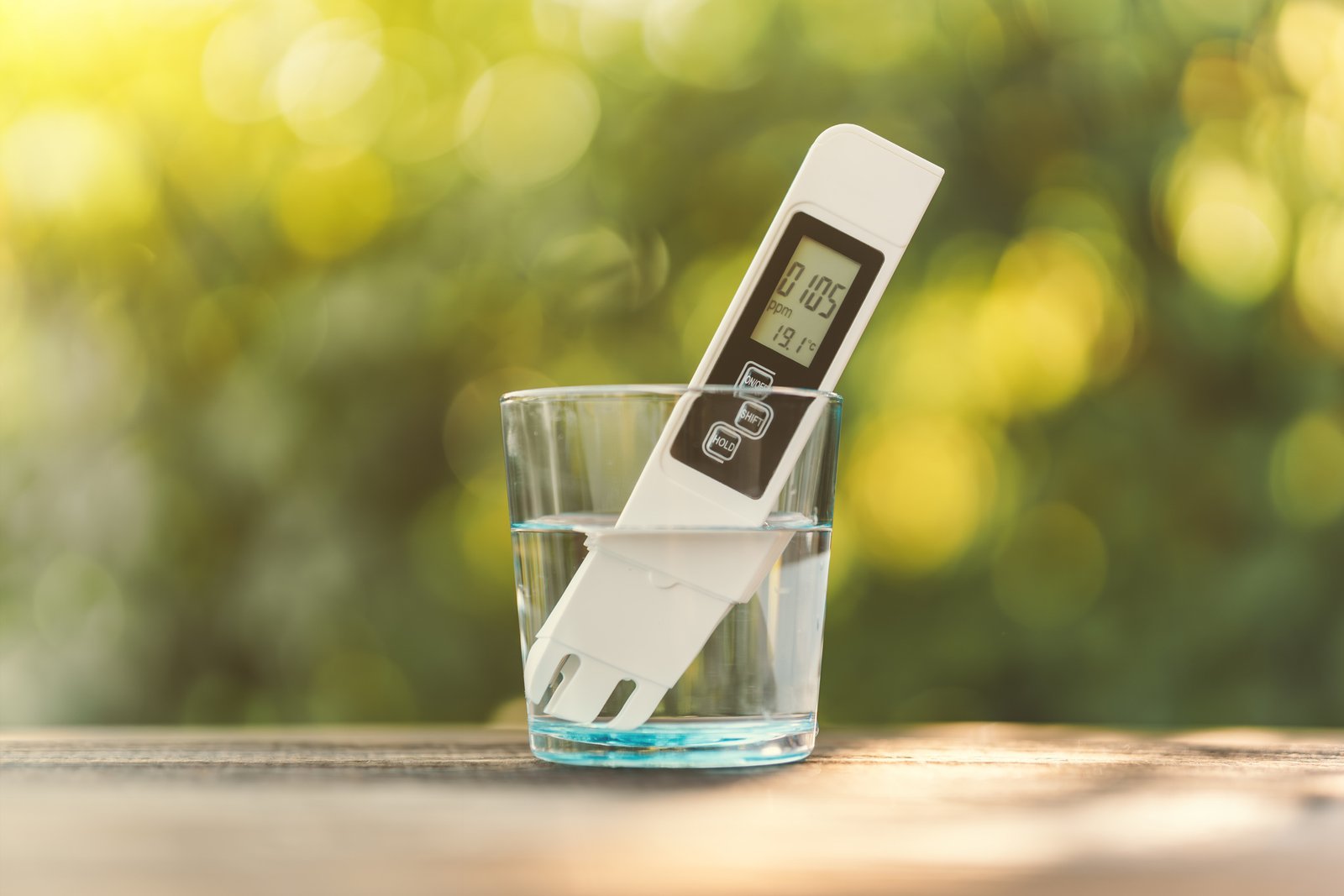
In Australia, fluoride levels in drinking water are guided by the National Health and Medical Research Council, which recommends a range of approximately 0.6 to 1.1 milligrams per litre. This range is designed to provide the benefits of cavity prevention while minimising the risk of overexposure. Globally, recommendations vary, with the World Health Organization allowing up to 1.5 milligrams per litre, while the United States sets a higher maximum limit but aims for a lower optimal level. These variations highlight that while fluoride is widely used, there is still ongoing discussion about what constitutes the ideal balance between benefits and potential risks.
The reason fluoride levels are carefully managed is because both too little and too much can have consequences. At appropriate levels, fluoride strengthens tooth enamel and helps reduce the risk of cavities, particularly in children. However, excessive exposure over time can lead to conditions such as dental fluorosis, which appears as faint white marks on teeth, and in rare cases of very high exposure, skeletal fluorosis, which can affect bone health. There are also ongoing studies exploring possible links between high fluoride intake and other health concerns, although these remain inconclusive at the levels typically found in Australian drinking water.
Across the Sunshine Coast and Noosa regions, water authorities monitor fluoride levels to ensure they remain within recommended guidelines. However, it is important to understand that fluoride can also come from other sources, including food, dental products, and beverages, which means your total exposure may be higher than just what is in your tap water. For some households, this has led to a growing interest in reducing fluoride intake where possible, particularly for young children or individuals who prefer more control over what is in their water.
Standard water filters, such as basic carbon filters or jug systems, are not designed to remove fluoride effectively. This means that even if you are filtering your water for taste or chlorine reduction, fluoride will typically remain present. More advanced solutions, such as reverse osmosis systems or specialised filtration media, are required to significantly reduce fluoride levels and provide greater control over your water quality.
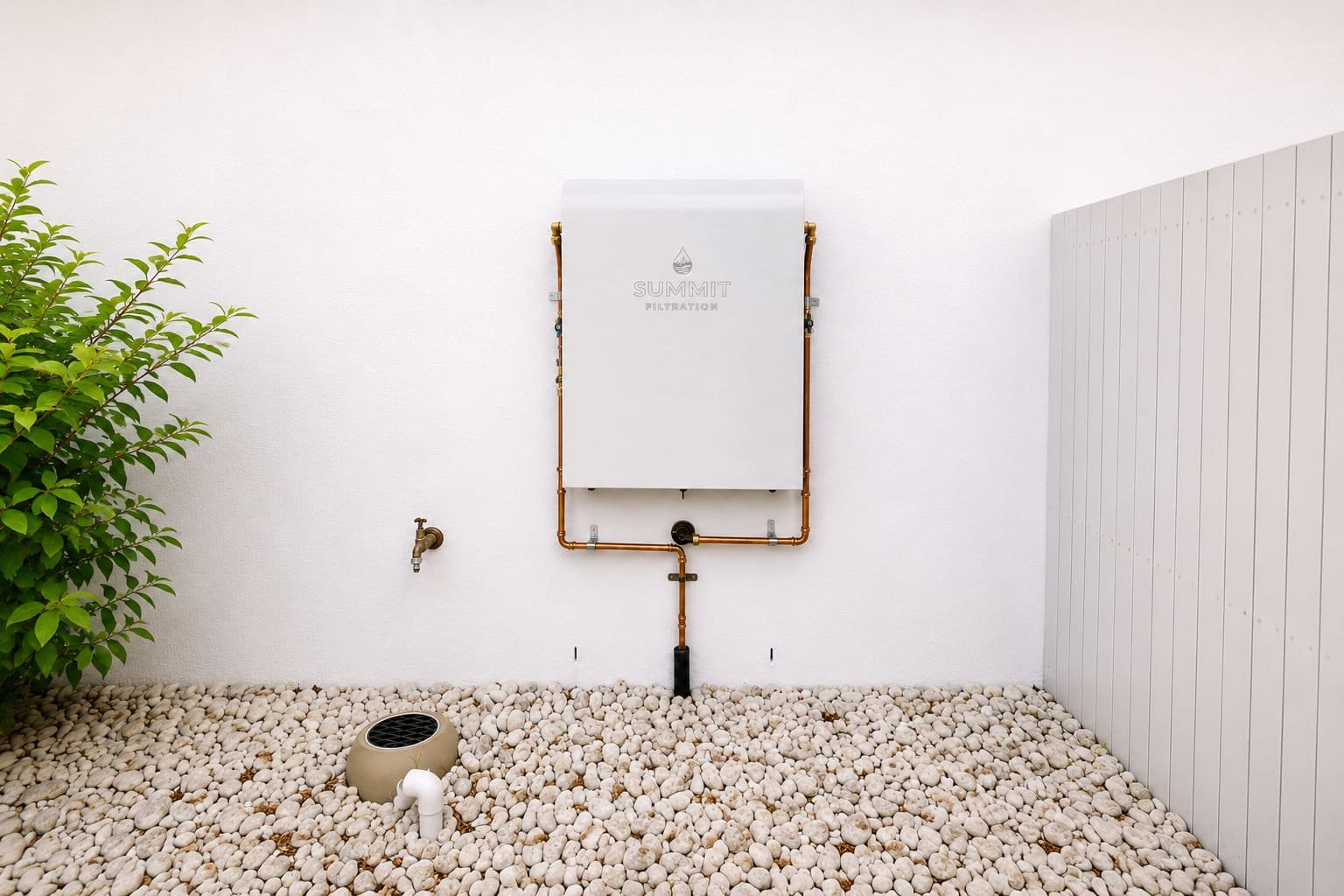
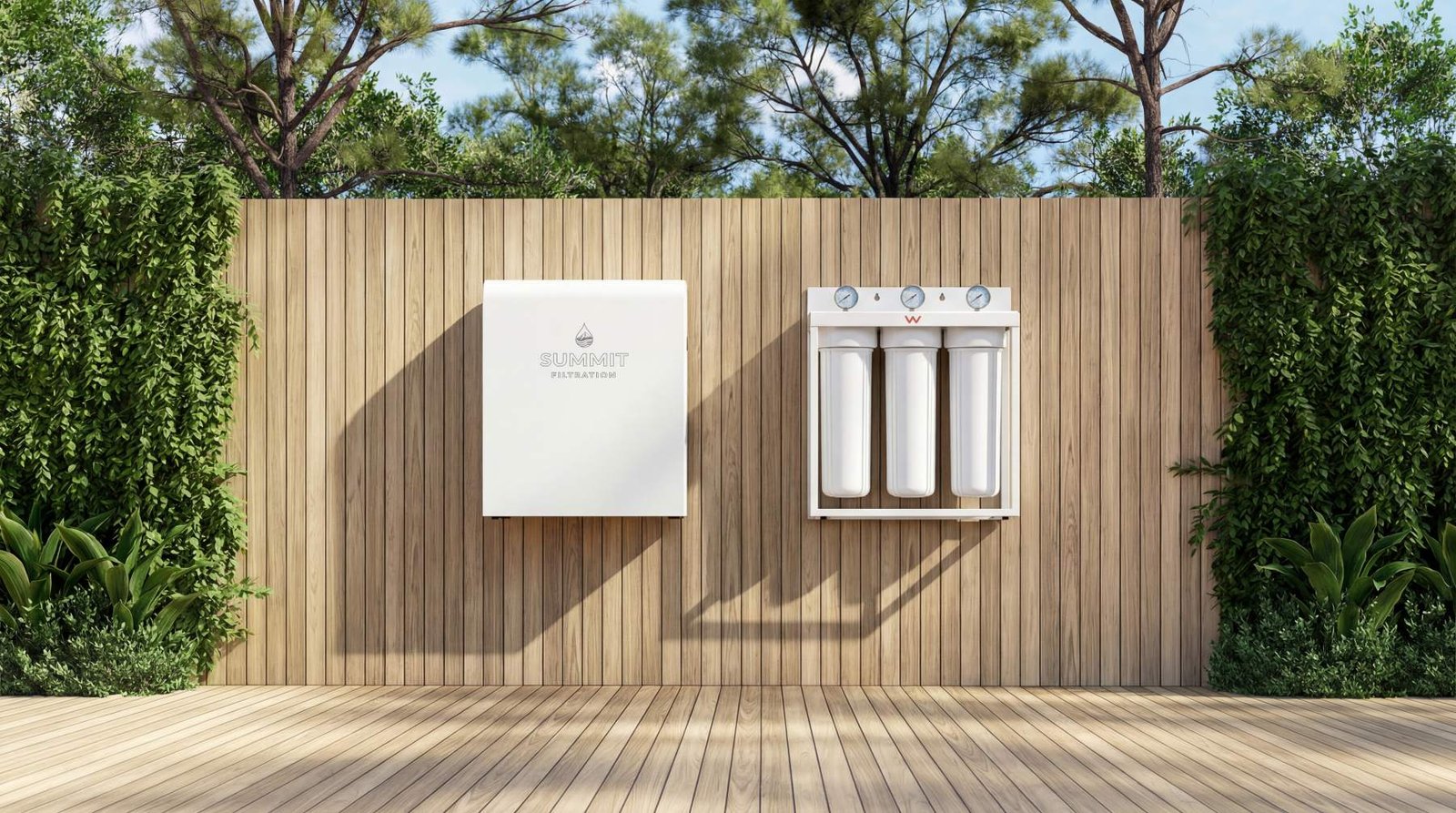
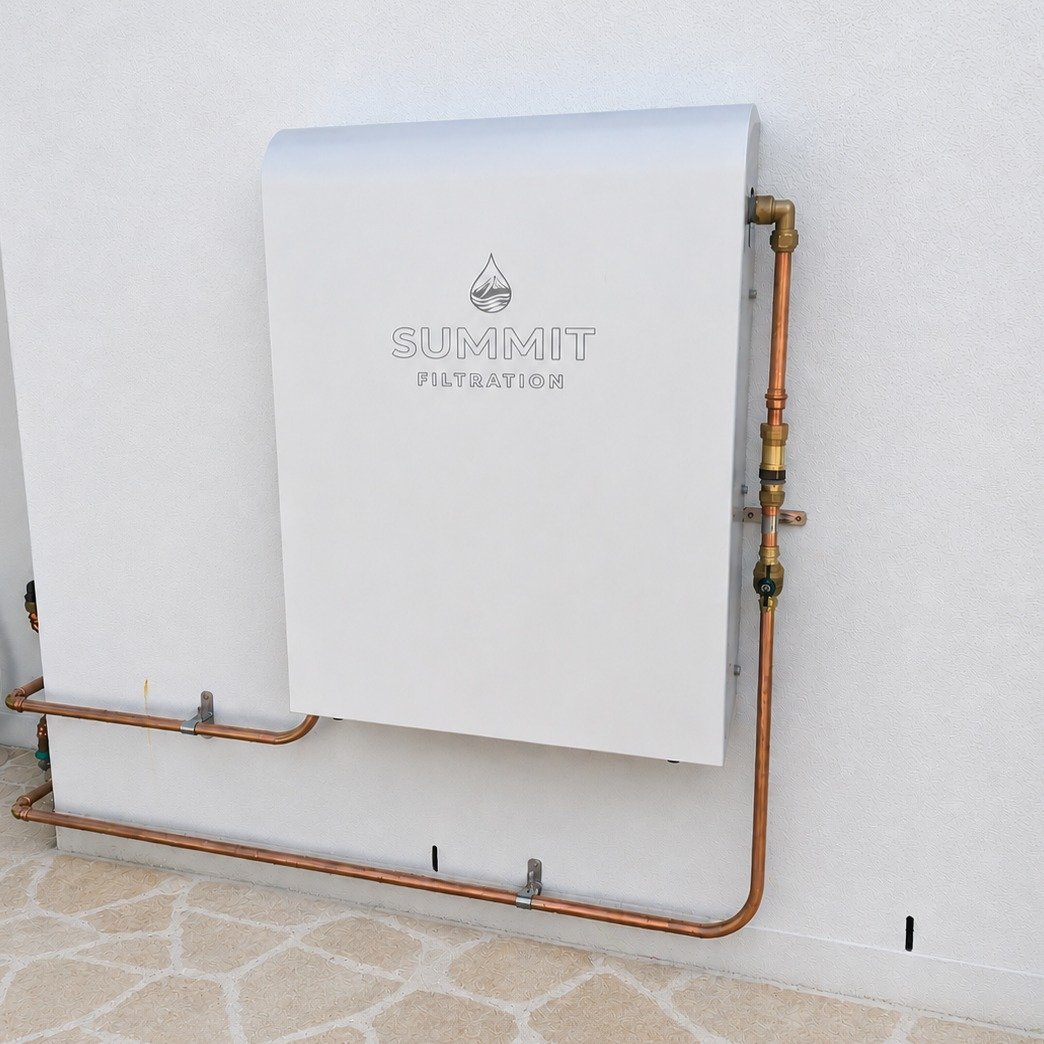
For homeowners across Sunshine Coast and Noosa Council areas, this highlights the difference between water that meets basic safety standards and water that is tailored to your personal preferences and long term wellbeing. A whole home or under sink system from Summit Filtration can help reduce fluoride alongside other contaminants, giving you cleaner, more balanced water for drinking, cooking, and everyday use.
Understanding fluoride levels is not about alarm, it is about awareness and choice. While Australian guidelines are designed to keep water safe, many people are choosing to take an extra step to refine their water quality and reduce exposure where possible. If you want to explore options for managing fluoride in your home, you can contact Summit Filtration on 0467667004 to learn more about filtration solutions designed specifically for local water conditions.